The New Era of Aerospace Disruption
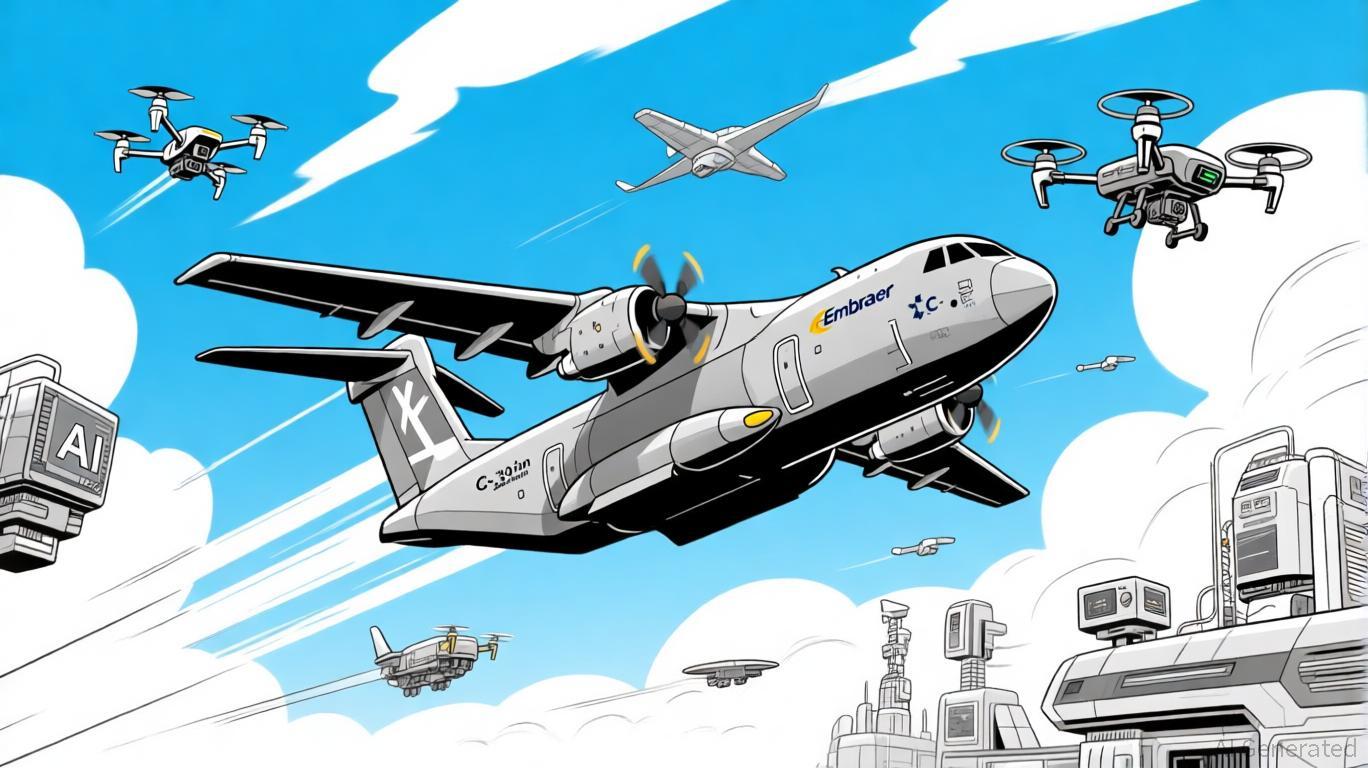
As the global aerospace community convenes to debate and discuss the future of the industry, one thing remains clear: disruption is at the forefront of everyone's mind. Today's aerospace landscape is witnessing unprecedented changes, fueled by rapid technological advancements and shifts in economic and regulatory environments. How the industry adapts to these changes will chart the course for the future of aviation and space exploration.
Drivers of Change in Aerospace
The current state of disruption in the aerospace industry can be attributed to multiple factors. Innovators and thought leaders are considering how emerging technologies, evolving market demands, and environmental concerns are reshaping the sector. Each of these elements plays a crucial role in redefining what is possible in air and space travel, and how companies position themselves in the competitive landscape.
Technological Innovations Reshaping the Industry

From advancements in propulsion systems to the integration of artificial intelligence and big data, aerospace companies are harnessing new technologies to create more efficient, safe, and sustainable aircraft and spacecraft. With such innovations, the industry seeks not only to meet current demands but also to anticipate future needs and possibilities.
Addressing Environmental Impacts
Environmental concerns are another significant catalyst for change within the aerospace industry. As stakeholders become increasingly aware of aviation's impact on climate change, the race for cleaner, greener solutions is accelerating. This pursuit of sustainability is driving research into alternative fuels, electric engines, and other eco-friendly technologies.
The Economic Landscape and Regulatory Shifts

On the economic front, global trade dynamics and supply chain uncertainties are prompting aerospace entities to rethink their operations. Meanwhile, regulatory bodies are updating policies and standards to match the pace of innovation, focusing on passenger safety, airspace management, and environmental regulations. Staying ahead of these shifts is critical for businesses looking to secure their place in the industry's new era.
The Future of Aerospace: Adaptation and Collaboration
The conversations taking place within the aerospace community emphasize the need for a proactive approach to managing disruption. It's not just about adapting to change; it's about fostering a collaborative environment where industry players, policymakers, and academia can share insights and drive progress. By doing so, the aerospace sector can pivot from reacting to disruption to actively shaping its future path.
Implications of Aerospace Trends on Travel Accommodations
As the aerospace industry continues to innovate, the ripple effects are felt far beyond the manufacturing floors and R&D labs. Travelers, eager to experience the benefits of the latest technological leaps in aviation, may soon find themselves reaching their destinations faster and more efficiently. Consequently, the hospitality sector, from boutique properties to international hotel chains, will likely need to adapt to the changing patterns and preferences of these travelers, tailoring experiences that align with the sophistication and pace of modern air travel.
San Diego
- The Keating Hotel
- Westin San Diego Bayview
- Palihotel San Diego
- Kings Inn
- Hilton San Diego Airport/Harbor Island
- Four Points By Sheraton San Diego
- Andaz San Diego
- Wyndham San Diego Bayside
- Hotel Del Coronado
- Springhill Suites San Diego Downtown/Bayfront
- San Diego Mission Bay Resort
- Town And Country San Diego
- Hilton San Diego Bayfront
- Horton Grand Hotel
- Hyatt Regency La Jolla
- Hotel Indigo Del Mar
- Sheraton San Diego Hotel & Marina
- Comfort Inn Gaslamp
- Residence Inn San Diego La Jolla
- Doubletree Mission Valley
- San Diego Holidays
- San Diego Vacations
- Hotels Near San Diego Intl Airport
- Affordable Hotels In San Diego
- Hostels In San Diego
- Pet Friendly Hotels In San Diego
- Family Hotels In San Diego
- B&B San Diego California
- Boutique Hotels In San Diego
- Best Hotels By The Beach In San Diego
- All Inclusive Resorts In San Diego California
- Motels In San Diego Ca
- Luxury Hotels San Diego Area
- Five Star Hotels In San Diego
- Spa Resorts In San Diego Ca
- Casino Resorts In San Diego